
Swiss Drone Flight Regulations and Obligations Explained
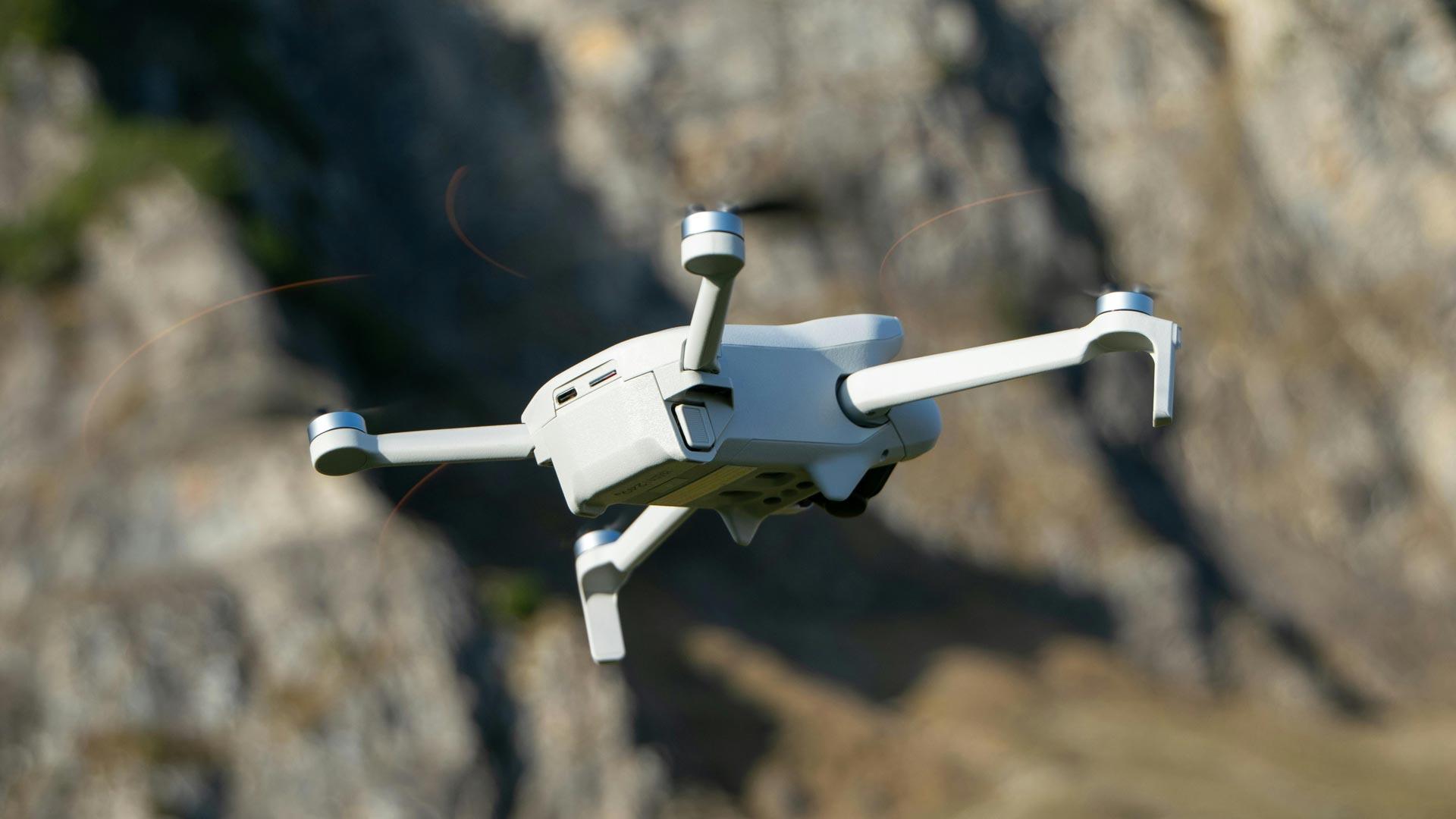
Switzerland adopted the European EASA drone framework on 1 January 2023. This marked a shift from a simple weight-based system to a risk-based model aligned with European standards. The objective is clear. Improve safety, harmonise cross-border operations and increase accountability in shared airspace.
If you fly drones in Switzerland, whether commercially or recreationally, you must understand how the new structure works. The rules are precise. Enforcement is strict. Preparation matters, particularly for companies working in drone video production in Switzerland.
Aerial footage has become increasingly important for marketing, events, and corporate communication, including video advertising projects. This makes understanding the regulatory framework essential for both pilots and production teams.
The Swiss Drone Category System
Swiss drone regulation is built around three operational categories based on risk level: Open, Specific and Certified.
Most pilots operate within the Open category. This applies to drones under 25kg that remain below 120 metres above ground level and within visual line of sight.
If your operation exceeds these limits, you move into higher regulatory tiers.
The Open Category
The Open category covers low-risk operations. You do not need prior FOCA authorisation if you stay within defined limits.
Key conditions:
- Maximum altitude 120m AGL
- Visual line of sight at all times
- No overflight of assemblies of people
The Open category is divided into three subcategories.
Open Category Subcategories
| Operational Subcategory | Target Drone Class | Maximum Take-Off Mass (MTOM) | Core Proximity Restrictions |
|---|---|---|---|
| A1 | C0, C1 | < 900g | Fly over people (not assemblies); minimise overflight |
| A2 | C2 | < 4kg | 30m horizontal distance from people; 5m in low-speed mode |
| A3 | C3, C4 | < 25kg | Maintain 150m from urban, commercial and recreational areas |
Legacy drones sold before 31 December 2023 without class markings fall under transitional rules. In practice, these align with A1 if under 250g or A3 if heavier.
The Specific Category
The Specific category applies when you cannot comply with Open category limits. This includes:
- Beyond visual line of sight operations
- Flights above 120m
- Higher-risk missions
These operations require either a risk assessment under SORA or adherence to a Standard Scenario, plus formal FOCA authorisation. These requirements often apply to projects involving custom video production in Switzerland.
The Certified Category
The Certified category represents the highest risk level. It applies to operations involving:
- Transport of people
- Transport of dangerous goods
Certification requirements mirror those in manned aviation.
Registration and Operator Responsibilities
Switzerland requires registration for almost all drone operators.
You must register if:
- Your drone weighs 250g or more
- Your drone carries a camera or other data-collecting sensor
Registration takes place through the dLIS portal and costs CHF 10. After registration, you receive a unique UAS operator number. The first 13 characters must be visibly displayed on the drone. The final three characters are confidential and linked to Remote ID.
It is important to distinguish between operator and pilot. The operator is legally responsible for the aircraft. The pilot is responsible for safe and compliant flight execution.
Pilot Certification Requirements
Pilot competency depends on operational category.
Pilot Certificates
| Certificate Type | Target Subcategory | Examination Format | Prerequisites and Duration |
|---|---|---|---|
| A1/A3 Certificate | A1 and A3 | 40-question online theory exam | Online training; valid 5 years |
| A2 Certificate | A2 | Proctored theory exam at test centre | Must hold A1/A3; practical self-study |
| STS Certificate | Specific (STS) | Theory exam plus practical assessment | Must hold A1/A3; advanced training |
Exams are available in German, French, Italian and English. Certificates issued in other EASA member states are recognised in Switzerland.
Operational Rules That Matter
Swiss aviation law prioritises safety of uninvolved persons and protection of airspace integrity.
Core operational principles include:
- Maximum altitude 120m above ground
- Maintain visual line of sight
- No overflight of assemblies of people
- FPV allowed only with a visual observer
- Night flights require a green flashing position light
Manned aircraft always have priority. If you hear or see a helicopter or plane, land immediately or move to a safe position.
These rules are important when drones are used to film public gatherings or corporate events as part of event video services.
Insurance and Legal Liability
Any drone weighing 250g or more must carry liability insurance of at least CHF 1 million.
Some household insurance policies include drone coverage. Commercial operators often require dedicated aviation policies.
Operating without registration, certification or insurance can lead to fines up to CHF 20,000. In cantons such as Vaud, additional regional fines may apply.
Airspace Planning Tools
Before each flight, consult official digital resources.
FOCA Interactive Drone Map
This map shows:
- 5km exclusion zones around airfields and heliports
- Control zones near major airports
- Permanent no-fly zones around critical infrastructure
- Protected nature reserves
Daily Airspace Bulletin Switzerland (DABS)
Published daily at 16:00 for the following day, DABS highlights temporary restrictions such as military exercises, emergency operations or large public events.
Checking both tools should be standard procedure before take-off.
Cantonal and Municipal Rules: Focus on Vau
Cantons and communes may impose stricter local rules.
In the Canton of Vaud:
- 300m buffer around prisons and hospitals with helipads
- 300m minimum distance from emergency interventions
- Crowds defined as 24 or more people
Municipalities such as Morges may require authorisation for take-off or landing on public land. Commercial flights in certain urban zones may require submission of a flight plan via the Swiss U-space application.
Alpine Flight Considerations
Flying in Switzerland’s mountainous terrain introduces technical challenges.
Density Altitude
Higher elevation reduces air density. This lowers lift and increases strain on motors and batteries. Climb rates may be reduced by 30 to 50 percent compared to sea level performance.
Battery Management in Cold Conditions
Cold temperatures reduce battery voltage and flight time. Best practice includes:
- Keeping batteries warm before take-off
- Setting conservative return-to-home thresholds
- Avoiding high-power manoeuvres in cold air
Wind Phenomena
The Föhn produces strong, turbulent valley winds. The Bise creates gusty conditions around Lake Geneva. Consult General Aviation Forecasts before flying in Alpine terrain.
Wildlife, Privacy and Rescue Operations
Switzerland protects wildlife rigorously. Drones can trigger stress responses in birds, especially during nesting season between late February and July. Avoid sensitive habitats such as reed belts, rock faces and wetlands.
Privacy is regulated under the Federal Data Protection Act. If identifiable faces or licence plates appear in your footage, you are processing personal data. Recording without consent may lead to civil liability.
Air rescue operations such as REGA have absolute priority. If a rescue helicopter is operating nearby, cease flight immediately. Maintain significant distance from cableways and ziplines, which are often difficult to see from the air.
Transporting Drones into Switzerland
Lithium battery regulations apply when travelling by air.
- Batteries under 100Wh permitted in carry-on
- 100 to 160Wh limited in quantity
- Over 160Wh prohibited on passenger aircraft
Batteries should be stored in fire-resistant bags with protected terminals.
Summary: What Every Drone Pilot Should Do
Swiss drone regulation is clear, structured and strictly enforced. The system is built on risk categories, mandatory registration, defined pilot competency and strong insurance requirements.
Before every flight:
- Confirm registration and certificate validity
- Check the FOCA map and DABS
- Review cantonal or municipal restrictions
- Assess weather, terrain and wildlife sensitivity
- Ensure insurance coverage is valid
Responsible flying protects people, wildlife and the future of drone operations in Switzerland. Preparation and discipline keep your flights legal and your projects on schedule.