
Macro Lens vs Zoom Lens: When you truly need macro for professional video production
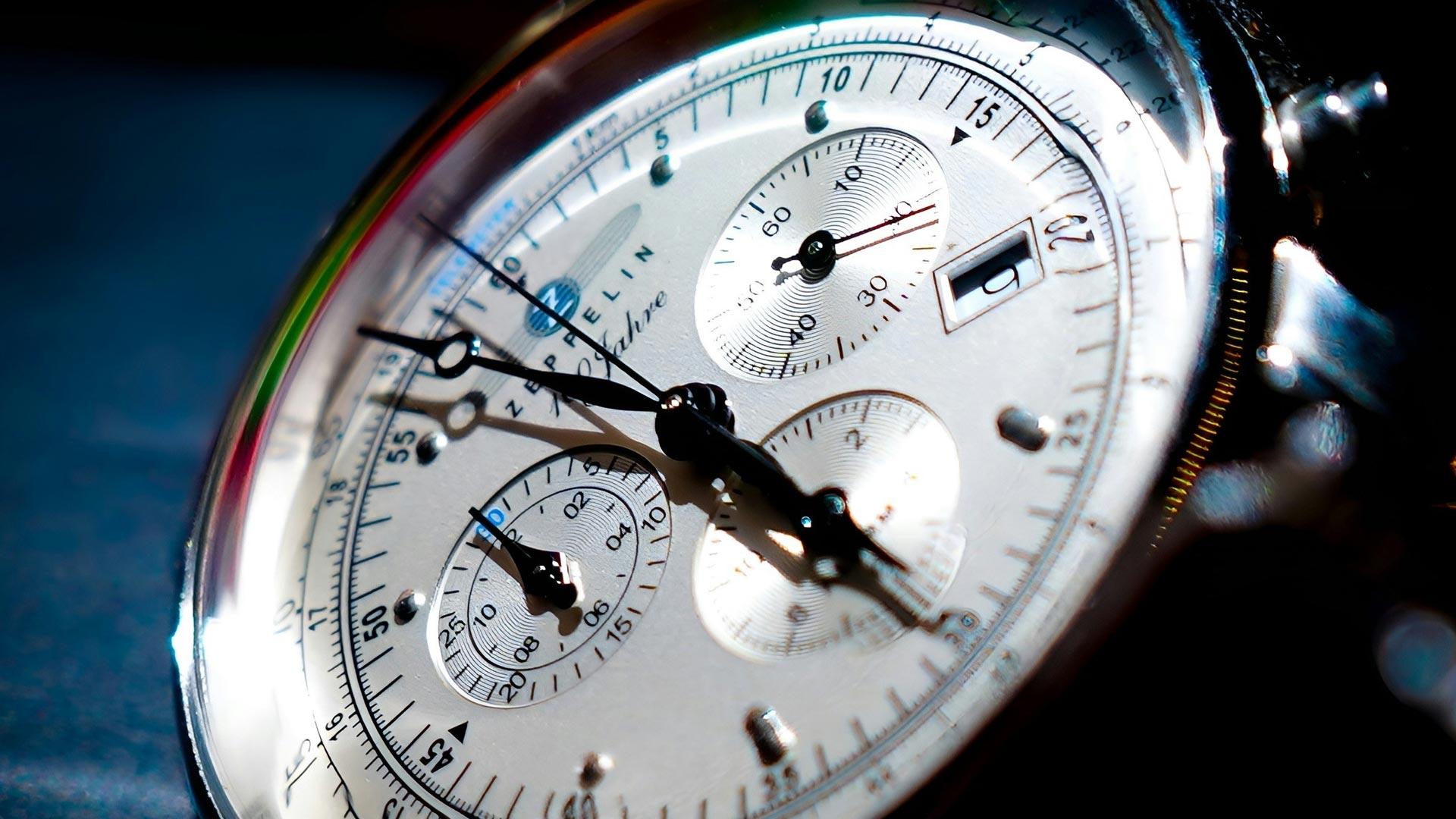
At Darwin Productions, being based in Switzerland, we regularly film watch components, micro engineering parts, medical devices and luxury products through projects involving promotional video production.
We are often asked, how does a macro lens differ from a zoom lens and should I be using one?
The answer it relatively simple, what is the subject of your video and which context. If detail is decorative, a zoom works. If detail is the product, you need macro.
What makes a macro lens different?
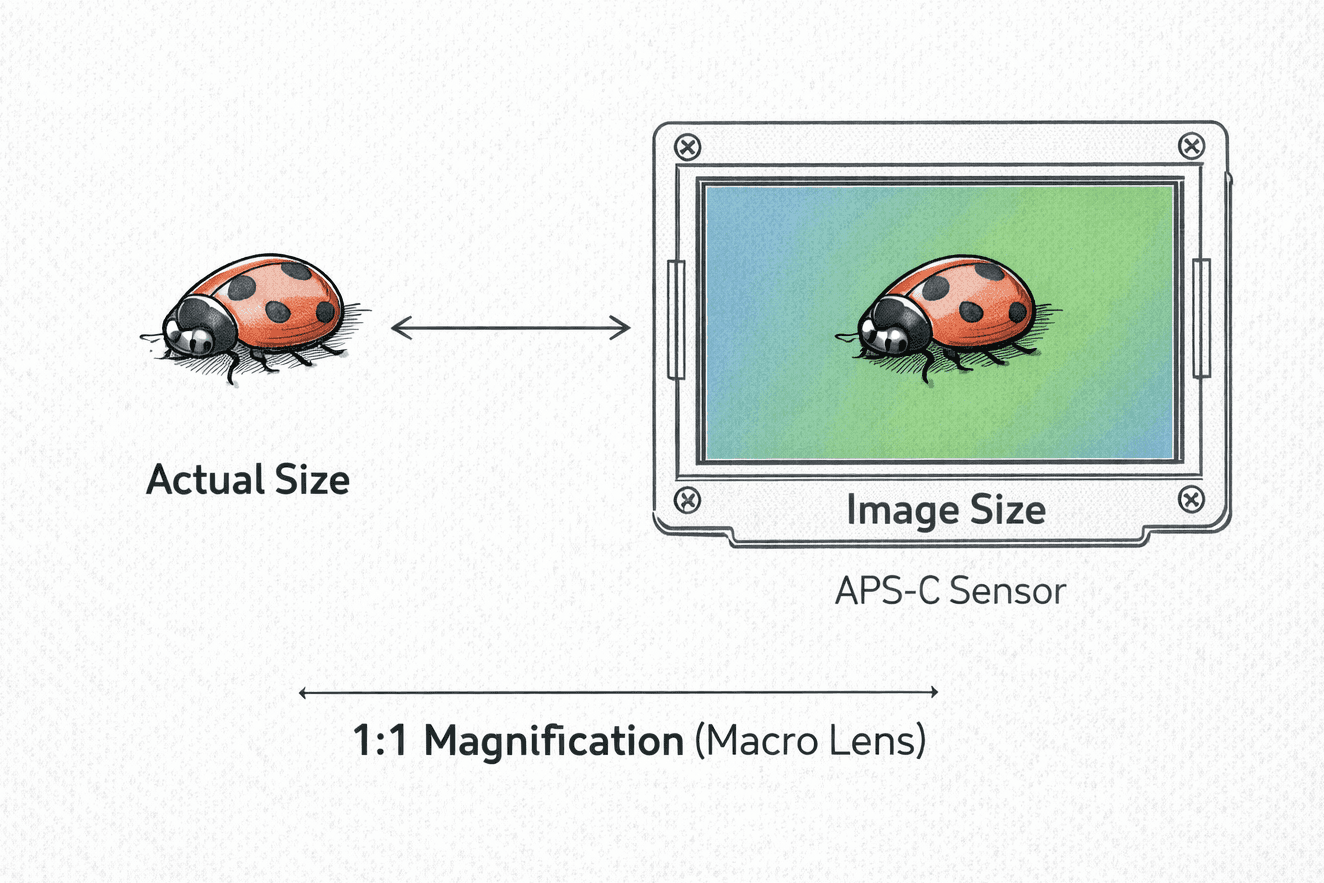
A true macro lens delivers 1:1 magnification. If a 15 mm component measures 15 mm on the sensor, you are at life size reproduction.
Most zoom lenses labelled “macro” only reach 1:3 or 1:4 magnification. That works for close-ups. It does not work for micro tolerances or surface finishing.
Macro lenses are engineered specifically for close distance performance:
- Flat field rendering
- Edge to edge sharpness
- Controlled distortion
- High micro contrast
- Precise focus mechanics
Zoom lenses are engineered for flexibility. Close focus is secondary.
Macro vs Zoom: Practical Comparison
| Criteria | True Macro Lens | Standard Zoom Lens |
|---|---|---|
| Maximum magnification | 1:1 or greater | Usually 1:3 or 1:4 |
| Close distance sharpness | Optimised for it | Not primary design goal |
| Edge performance | High and consistent | Often softer at close focus |
| Optical flatness | Excellent for products | Field curvature possible |
| Focus breathing | Often better controlled | Frequently visible |
| Working distance | Predictable | Often impractical at max close focus |
| Ideal use | Engineering, jewellery, medical, luxury | General commercial work |
When a Zoom Lens Is Enough
Use a zoom when:
- The product is shown in context
- You need speed and flexibility
- Detail is supportive, not central
- You are shooting lifestyle or social media content
Example:
A watch worn on a wrist. You show branding and texture, but not microscopic tolerances. A 70 to 200 mm zoom is efficient and practical.
This type of storytelling is common in video advertising.
When You Need a Macro Len
Use a macro lens when:
- Precision is part of the brand story
- Surface finishing must be visible
- You are filming micro components
- Engravings, machining marks or textures matter
- The footage will be displayed in high resolution
In watchmaking and micro engineering, clients sell accuracy measured in microns. Your footage must support that claim.
A zoom lens will not resolve fine geometry and surface detail with the same consistency at true life size reproduction.
The Hidden Challenges of Macro
It should be noted that macro filming introduces many technical constraints. To achieve highly-quality, consistent results your need to good setup.
1. Depth of field
At 1:1 magnification, depth of field becomes extremely shallow.
Stopping down helps, but too much aperture reduction introduces diffraction. This is why lighting and focus strategy matter.
2. Lighting
Close distance reduces available light.
You need:
- High output continuous lighting
- Careful diffusion
- Precise reflection control
In watchmaking, polished steel behaves like a mirror. Light placement becomes critical.
3. Stabilisation
At life size magnification, micro movement becomes visible shake.
Even modern stabilisation systems struggle. For critical detail, we rely on:
- Solid tripods
- Macro rails
- Controlled camera movement
Handheld macro is unreliable for high precision work.
A Simple Decision Framework
Ask yourself four questions:
- Is the detail part of the product’s value?
- Do you need life size reproduction or greater?
- Will the footage be viewed in 4K or higher?
- Is surface quality central to brand perception?
If you answer yes to two or more, you need a macro lens.
If not, a zoom lens is more efficient.
Key Takeaways
- A macro lens is built for close distance precision.
- A zoom lens is built for flexibility.
- 1:1 magnification is the benchmark for true macro.
- Macro filming requires more light and more stability.
- In luxury and micro engineering, precision visuals reinforce credibility.
If your product depends on invisible detail, your video should make that detail visible.
That is when macro stops being optional and becomes essential.
When the detail is the the subject, use a macro Lens.
C. Deur
Recommended Macro Lenses in 2026
The current macro landscape is strong across all major systems. Here below are several standout lenses across photo and cinema categories. B
Hybrid Photo and Video Macro Lenses
These lenses work well for promotional production where you shoot both stills and video.
| Lens | Mount | Magnification | Rating | CHF | Why It Stands Out | Best For |
|---|---|---|---|---|---|---|
| Sony FE 100mm f/2.8 Macro GM | Sony E | 1.4x | ★★★★★ | 1,400 to 1,600 | Fast AF, reduced focus breathing, strong hybrid performance | Hybrid commercial work |
| Sony FE 90mm f/2.8 G OSS | Sony E | 1:1 | ★★★★☆ | 900 to 1,100 | Proven sharpness, reliable stabilisation | Product and engineering |
| Canon RF 100mm f/2.8L Macro IS USM | Canon RF | 1.4x | ★★★★☆ | 1,300 to 1,500 | SA control ring, strong hybrid IS | Luxury products and creative detail |
| Nikon Z MC 105mm f/2.8 VR S | Nikon Z | 1:1 | ★★★★★ | 1,100 to 1,300 | Reference level resolution, minimal aberration | Studio product and archival work |
| Sigma 105mm f/2.8 DG DN Macro Art | Sony E / L | 1:1 | ★★★★☆ | 700 to 900 | High sharpness at accessible price | Budget conscious commercial |
Retail prices are approximate Swiss market pricing in 2026 and vary by supplier.
If you work in Swiss watchmaking or micro engineering, the 90 mm to 105 mm range remains the most practical focal length.
It provides:
- Comfortable working distance
- Space for controlled lighting
- Balanced compression
- Reliable detail reproduction
For precision industries, this focal range remains the benchmark.